What you receive
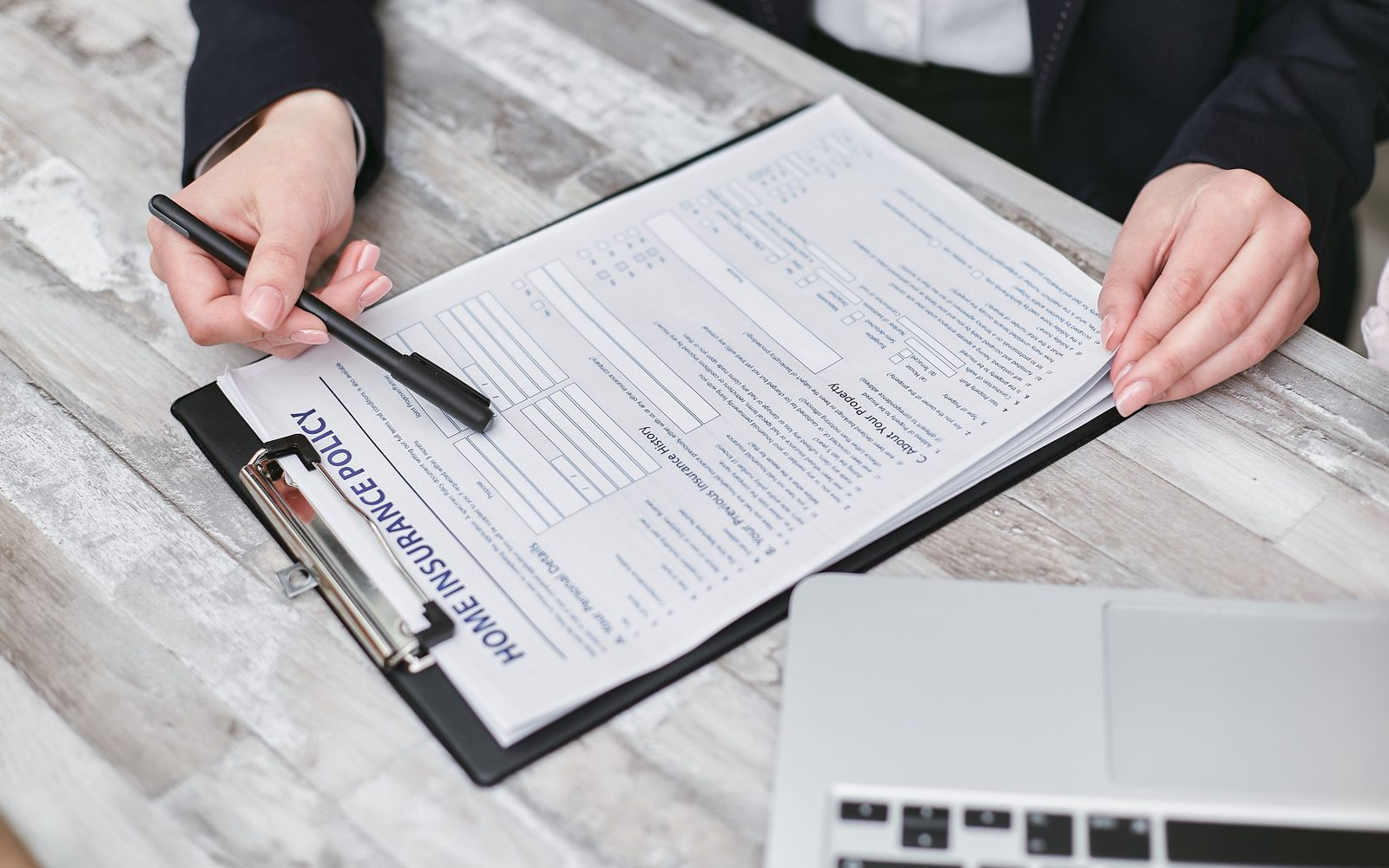
Roof damage documentation is a file rather than an opinion. It opens with the plain facts of the visit, then a drawing of the roof with the elevations named, then the findings one at a time, numbered and placed on that drawing. Each finding carries a close photograph and a wider one, scale in the frame where size is part of the point, a description in ordinary words and a note of what the conclusion rests on. The image files arrive as originals with their capture dates intact, not as copies pulled out of a message.
Then a section most documents leave out: what we did not see. Slopes not reached and why, areas covered over, material you gave us rather than evidence we gathered, and findings the roof genuinely does not settle. That section is not a weakness in the file. It is the part that makes the rest of it credible to a stranger.
What we do, and what we hand on
We inspect roofs and we write documents. The file is evidence, built so that it can be put in front of anybody. Where the claim needs somebody to act for you, we introduce you to a licensed partner in your state, a public adjuster or an attorney, and the file goes with you to them. What is covered is decided by your policy and your carrier, and nothing we write is legal, financial or insurance advice.
We do not describe a finding we did not see, we do not present your photographs as ours, and we do not date a loss the roof cannot date. We do not bid the repair work either, so nothing in the file is a case for a job we want.
When people use it
Usually when a decision has already gone the wrong way and the reason given describes a roof the owner does not recognize. Often the original file was thin: a short visit, part of the roof, a handful of photographs with no scale and no location, and nothing written down about what was not examined. A decision made on that is a decision made on very little.
Sometimes it is simpler than that. An owner is about to hand the claim to a licensed public adjuster or an attorney, often one we introduced them to, and wants the evidence in a state somebody else can pick up and use. Either way the job is the same: build a record that holds together in the hands of a reader who will never see your roof.
Common questions
Who is the documentation actually written for?
Somebody who was not there, has never seen your house, and will read it once. That might be an adjuster at a desk, a reviewer months later, a contractor in another state, a lender or a buyer.
- They have no reason to give you the benefit of the doubt
- They have no way to ask a follow up question
- Findings are numbered and elevations labeled so a location means something
- Every close photograph has a wider one beside it, and scale goes in the frame
- Dates travel in the image files, and each finding says what it rests on
It is also why the limits are written down. A reader who finds a gap you disclosed keeps reading, and a reader who finds a gap you concealed stops trusting the rest, by which time you are not there to explain.
What makes a photograph usable as evidence?
Four things, and most roof photographs fail on at least one: context, scale, a reliable date, and honesty about what the picture is.
- A close shot of a fractured shingle proves only that one exists somewhere
- Pair it with a wider shot showing the slope and the position
- Put a rule, a chalk circle or a coin beside anything where size matters
- Keep original files with their capture data, not screenshots or messaging app copies
- A shot taken from a ladder is labeled as taken from a ladder
Do the same with your own images. Photographs you took before anyone arrived are often the most valuable material in the file, and they keep that value only if their dates and origins are clear.
Should I keep taking my own photographs as well?
Yes, and keep them separately from ours. Your photographs show the property at moments we were not present for, which is something ours cannot do.
- Pictures taken the morning after the weather often record a condition now gone
- Shoot from the ground, from a window and from inside where water appeared
- Do not climb to get a picture
- Keep original files, because sending through a message usually strips the date
- Photograph anything you are about to cover or repair, before you do it
Write down what you saw and when on the same day, including what a neighbor or a contractor said, and keep a log of every call and letter in one place. Keep your material and ours in separate folders, so it is always clear who took what.
Does documentation prove when the damage happened?
Not by itself, and we will not write a sentence that suggests otherwise. What an inspection establishes is the condition of the roof on the day we stood on it.
- A report can describe how fresh something appears, because materials weather in describable ways
- A recent fracture looks different from an old one to a trained reader
- Those are observations about appearance, not a date
- Dating a loss rests on your own record, dated photographs and public weather data
- An earlier report showing a different state helps even when it found nothing
Our report says what the roof shows and how confident we are, and leaves the question of when to the material that can actually answer it. How much weight any of it carries is for your policy and your carrier.
Can you send the documentation to my carrier for me?
Not as your representative, though there is a way to get it done. We hand the file to you and it stays yours.
- Our own work is the inspection and the document, nothing more
- Where you would rather somebody else handled the correspondence, we introduce you to a partner
- That partner is a licensed public adjuster or an attorney in your state
- Whoever sends it, send the whole thing, limits section included
- Keep a complete copy of what went and the date it went
A file arriving with the limits removed reads as a sales piece and invites the scrutiny you do not want. Confirm any license with your state insurance department before you sign, what is covered is decided by your policy and your carrier, and nothing in the file is legal, financial or insurance advice.